What a Camera Walk Teaches You to Notice
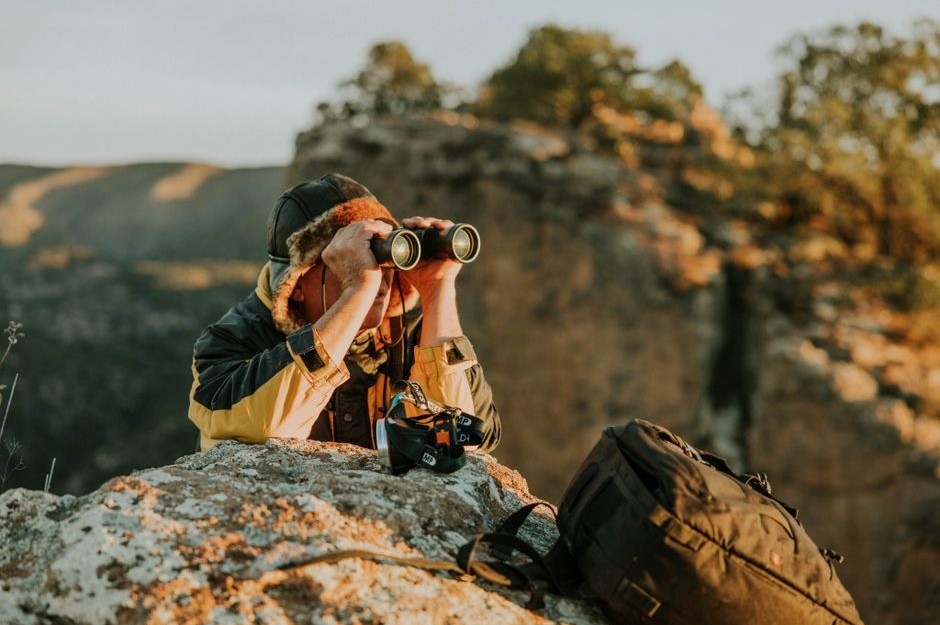
A camera walk is different from going out to “take good photographs.” The second phrase can create pressure before you leave the house. A camera walk is simpler: carry one camera, choose a modest area, and pay attention for an hour.
The useful result is not necessarily a portfolio. It is a shift in perception. The camera gives you a reason to slow down long enough for ordinary scenes to become specific.
Begin with one constraint
Constraints reduce the number of decisions you need to make. Use one lens. Stay within a few streets. Photograph only in portrait orientation for twenty minutes, or look for one recurring shape. The point is not to create a gimmick; it is to narrow attention.
Once you stop asking “What should I photograph?” and start asking “Where do I see circles?” or “What is the light doing on this side of the street?”, the environment becomes easier to read.
Watch the edges of things
Beginners often look directly at the main subject: a building, a person, a tree. Interesting pictures frequently appear at the boundaries instead. Notice where sunlight stops on a wall, where old paint meets new paint, where a shop display reflects the street, or where a shadow cuts across a staircase.
Edges create relationships. They show what is beside something, what interrupts it, and how one surface changes into another. Even when you do not take the photograph, learning to see these transitions sharpens visual awareness.
Return to the same place
A familiar route is useful because novelty no longer does the work for you. Walk the same block in the morning and again near sunset. Visit after rain. Go when shops are closed. The physical setting may barely change, but the photographs will.
Repetition teaches an important lesson: a place is not one picture. Light, weather, movement, and your own mood continuously rewrite it.
Take fewer frames
Digital cameras make abundance easy, but a camera walk can become more attentive if you slow the rate of shooting. Before pressing the shutter, ask what drew you in. Was it color, gesture, spacing, or light? Move a step left or right. Wait a moment. Then take the picture.
This does not guarantee better photographs, but it makes each frame more deliberate. It also makes the review afterward more useful because you can often remember why an image exists.
Review for patterns, not winners
When you return home, look through the photographs without immediately sorting them into successes and failures. Instead, notice repeated interests. Perhaps you keep photographing windows, empty chairs, hands, faded signs, or the way late light falls across pavement.
Those patterns are clues. They show what your attention already prefers before you have named it. A camera walk is therefore as much about learning your own visual habits as it is about documenting the world outside.
That is why the practice remains useful even on a day when none of the photographs feels remarkable. You have still spent an hour looking with greater care, and that way of seeing tends to linger after the camera is back in the bag.