A Simple Market Supper for an Unhurried Evening
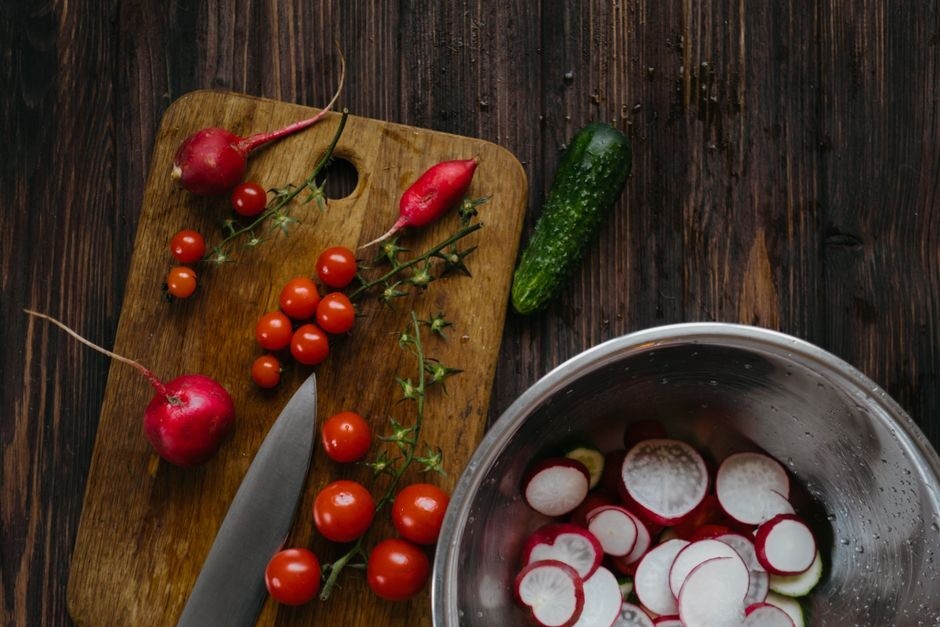
Some dinners begin with a recipe. Others begin with what looks good on a market stall. The second approach can feel less precise, but it is often easier on an ordinary evening. A handful of tomatoes, a cucumber, a bunch of herbs, a loaf of bread, and something salty can already suggest the shape of a meal.
The goal is not to improvise brilliantly. It is to build a small framework that makes simple ingredients feel intentional.
Think in contrasts
A satisfying supper usually benefits from a few different textures and temperatures. Pair something warm with something raw, something soft with something crisp, and something rich with something sharp. Roasted vegetables beside a fresh cucumber salad work because they do not compete for the same role. Toasted bread next to a creamy spread gives the plate structure.
When shopping, it can help to choose one item from each of four groups: a vegetable to cook, a vegetable or fruit to keep fresh, a substantial element such as beans, eggs, cheese, or bread, and a bright finishing ingredient such as lemon, herbs, pickles, or vinegar.
A dependable dressing
One small jar can carry most of the flavor. Shake together olive oil, lemon juice or vinegar, a spoonful of mustard, a pinch of salt, and black pepper. If the vegetables are sweet, add a little more acid. If they are bitter or very green, a touch of honey can round the edges.
Use the dressing in more than one place. Toss some through the salad, spoon a little over roasted vegetables, and save the rest for tomorrow’s lunch. Repetition makes the meal feel connected without requiring another sauce.
Cook one thing properly
Instead of preparing five components at once, choose one element that deserves real heat. Halved tomatoes can blister in a hot pan. Peppers can roast until their edges darken. A thick slice of bread can become deeply crisp in olive oil. Giving one ingredient this kind of attention creates the impression of a composed meal even when everything else is assembled quickly.
While that cooks, chop the fresh ingredients and set the table. There is a practical pleasure in having most of dinner ready before the pan is finished.
Serve it all at once
Market suppers are well suited to platters and bowls. Put everything in the middle rather than arranging individual plates. People can build bites as they go: bread with tomato, cucumber with herbs, a spoonful of beans with dressing. The meal becomes flexible, which is especially useful when appetites are different.
Leftovers also become easier to understand. A few roasted vegetables can join rice the next day; herbs can go into eggs; bread can become croutons. Nothing needs to be a complete dish on its own.
The useful part is the pattern
Once the pattern is familiar, the ingredients can change with the season. In spring, it may be peas, radishes, herbs, and soft cheese. In autumn, roasted squash, bitter leaves, toasted seeds, and sharp apples. The method stays steady while the market changes around it.
That is what makes this kind of supper worth repeating. It offers enough structure to remove the stress of deciding what to cook, but enough freedom to keep dinner from becoming routine.