A Small Rotating Display: A Step-by-Step Method for a Daily Vignette
Why a small rotating display matters
Keeping a single shelf, ledge, or tabletop vignette that you change regularly is less about decoration and more about a short creative ritual. The practice asks three gentle constraints—scale, cadence, and theme—that reduce decision fatigue and encourage noticing. Below is a clear, repeatable method you can use with any small surface in your home.
Method: Step-by-step
-
Choose the surface and a size limit.
Pick one small zone: a 2-foot shelf, a bedside table, a windowsill. Decide on a maximum number of objects (three to five is ideal). The constraint focuses attention and prevents the vignette from becoming clutter.
-
Set a cadence.
Decide how often you’ll change the display—weekly, every two weeks, or monthly. Short cadences keep the practice lively; longer ones suit busier schedules. Put a reminder in a place you check daily, like a calendar or a habit list.
-
Pick a unifying principle.
Choose one simple thread to guide selections: color, material, theme (such as travel mementos), or a mood (calm, bright, nostalgic). This principle makes choices easier and gives the vignette coherence.
-
Start with three anchors.
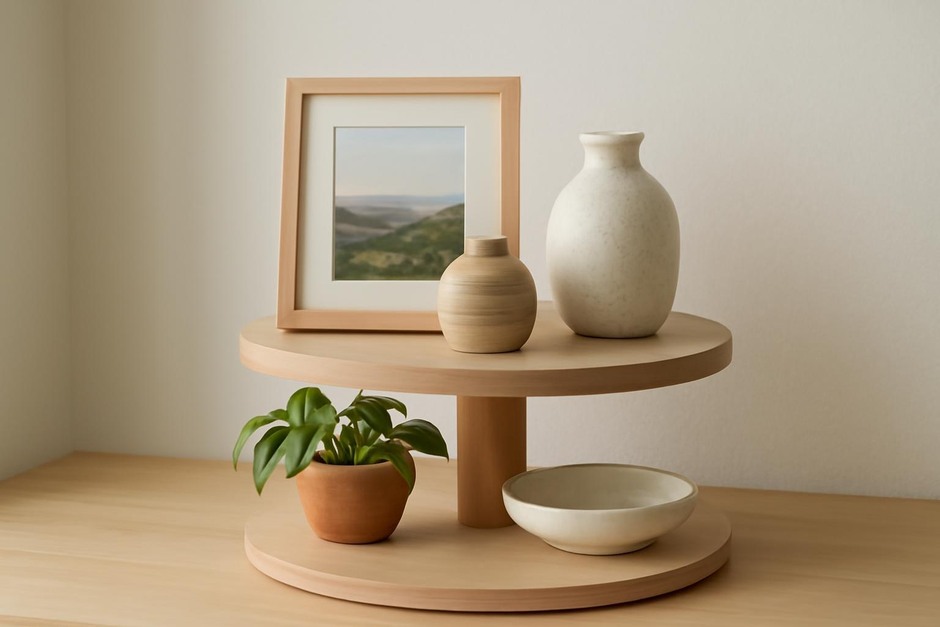
Place a primary anchor (largest item), a secondary anchor (medium), and a third element that adds contrast (texture or scale). For example: a small framed print, a pottery cup, and a sprig of dried flowers. Anchors create visual balance faster than arranging many small pieces.
-
Add one small changeable detail.
Include an inexpensive, easily swapped item—an illustrated card, a ribbon, a seasonal leaf. This small change invites future rotation without needing a full redesign each time.
-
Evaluate and simplify.
Step back and look from a short distance. Remove anything that competes visually or feels redundant. The goal is intentional restraint: fewer items with stronger relationships to one another.
-
Document and archive choices.
Take a quick photo before you change the vignette. Over time these images form a modest visual journal you can revisit for inspiration or to repeat combinations you enjoyed.
Variations
-
Thematic rotation.
Keep the cadence steady but change the unifying principle each cycle: color week, botanical week, found-objects week. This keeps the exercise fresh while using the same method.
-
Functional vignette.
Combine beauty with use: a small tray with your keys, a ceramic bowl for loose change, and a tiny plant. This is helpful near an entryway where form supports function.
-
Story-driven display.
Use the vignette to tell a micro-story: souvenirs from one trip, objects connected to a book you’re reading, or a sequence that tracks a single season. The narrative helps you notice details you’d otherwise overlook.
-
Minimalist study.
Limit to two elements and explore negative space. This variation trains you to consider proportion, light, and silhouette rather than color or texture.
Troubleshooting
It feels like clutter
If the area starts to collect more than your chosen limit, pull everything off and return only the three anchors. Keep a small box nearby for items you genuinely want to save; if the box fills, cull it down. The constraint is the remedy.
Decision fatigue when choosing items
Create a short list of ready-made palettes or themes you like. When it’s vignette time, pick one from the list and grab the first three things that match. The limits and the list remove overthinking.
Sentimental objects dominate
Sentimental items can overwhelm a vignette. Let one small sentimental object take center stage, and balance it with neutral, quiet companions. If an object is too precious to rotate, give it its own stable spot elsewhere.
No time to change regularly
Shorten the ritual: swap only the small changeable detail, photograph the setup instead of rearranging, or set the cadence to monthly. The value is in the mindful pause, not how often you switch pieces.
Not sure when a vignette is finished
Ask three quick questions: Does each object have a reason to be here? Is there a clear focal point? Is anything visually competing with the focal point? If answers are yes, yes, and no, you’re done.
Over time this modest practice trains your eye, encourages regular creative decisions, and makes your home feel lived-in in a thoughtful way. Treat the vignette as a short experiment—not a permanent statement—and enjoy the small discoveries it produces.